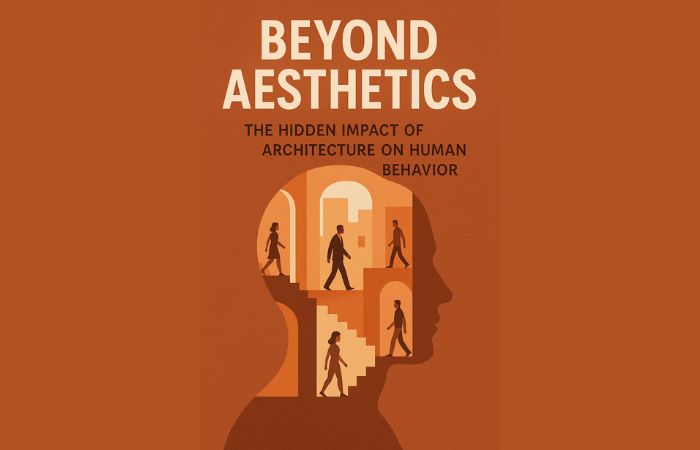
Architecture is often described as the art and science of designing buildings—but in reality, it is far more than that. Today, architecture sits at the intersection of culture, technology, sustainability, psychology, and community development. Modern architects no longer focus only on constructing visually appealing structures; they now design environments that influence how people feel, interact, and live. As cities grow denser and societies evolve, the role of architecture has expanded into something deeper: shaping human experience itself.
Architecture as a Reflection of Society
Every era leaves its story imprinted on buildings. Ancient temples reveal spiritual beliefs, medieval towns show us early urban planning, and modern skyscrapers reflect speed, ambition, and global connectivity. The architecture of today reveals something new—our desire for adaptability and well-being.
Contemporary buildings prioritize natural light, multifunctional spaces, and greener materials. These trends highlight how society now values sustainability, mental health, and flexible lifestyles. In a world constantly changing, architecture has become a visual timeline that records our shifting priorities and aspirations.
Human-Centered Design: Architecture That Understands People
One of the most significant developments in recent years is the rise of human-centered design. Instead of starting with form or aesthetics, architects begin with people—their behaviors, feelings, and needs.
For example:
- Schools are designed to support focus and creative thinking through open layouts and vibrant colors.
- Hospitals include biophilic elements like indoor gardens to support healing.
- Offices incorporate collaborative zones, quiet pods, and natural materials to improve productivity and reduce stress.
This shift marks a major evolution. Buildings are no longer static structures; they become environments that support emotional, social, and physical well-being.
The Role of Technology in Reimagining Architecture
Technology is reshaping how architects design, visualize, and construct buildings. Tools like Building Information Modeling (BIM) enable precise planning and collaboration, minimizing errors and reducing construction waste. 3D printing, once considered experimental, is now being used to build affordable housing units and customized structural components.
Smart buildings are another transformative step. With integrated systems that monitor air quality, control temperature, and adjust lighting based on occupancy, modern structures adapt to their users in real time. Such innovations not only enhance comfort but also optimize energy consumption, contributing to a more sustainable future.
Augmented reality (AR) and virtual reality (VR) also allow clients to “walk through” a building before it’s built, making the design process more interactive and accessible. These technologies are helping architects communicate better and bring ideas to life with unprecedented clarity.
Sustainability: The Heart of Contemporary Architecture
Sustainability is no longer optional—it’s essential. Buildings account for a significant portion of global energy use and carbon emissions, making sustainable architecture one of the most impactful ways to address climate change.
Today’s eco-focused designs incorporate:
- Solar panels and energy-efficient materials
- Green roofs and vertical gardens
- Rainwater harvesting systems
- Passive cooling and natural ventilation
- Locally sourced, recyclable, or low-carbon materials
But sustainable architecture goes beyond the environment. It also emphasizes long-term adaptability. Buildings that can evolve with changing needs reduce the likelihood of demolition and waste. Designing multipurpose, flexible spaces ensures they remain useful for decades, benefiting both communities and the planet.
Cultural Identity and the Power of Place
Architecture has the unique ability to express culture and preserve heritage. Whether through materials, craftsmanship, symbolism, or layout, buildings can carry cultural identity across generations.
For instance:
- Traditional courtyard houses in India reflect climate responsiveness and family-centric living.
- Scandinavian architecture emphasizes simplicity, light, and connection to nature.
- Middle Eastern designs often use geometric patterns and inward-facing layouts for privacy and climate control.
Good architecture respects the historical and cultural context in which it stands. It does not simply imitate the past but reinterprets it in a meaningful way, creating spaces that honor heritage while embracing modern needs.
Public Spaces and the Social Role of Architecture
Cities are more than a collection of buildings—they are ecosystems of human interaction. Public spaces like plazas, parks, promenades, and transit hubs play a critical role in shaping social life. When thoughtfully designed, they foster inclusivity, encourage community bonding, and create opportunities for leisure and creativity.
Urban designers now focus on walkability, accessibility, greenery, and mixed-use environments that bring people together. A well-designed public space can transform an entire neighborhood by boosting local businesses, improving safety, and strengthening community identity.
The Future: Adaptive, Inclusive, and Resilient Architecture
The future of architecture lies in flexibility and resilience. Climate change, rapid urbanization, remote work, and changing lifestyles demand buildings that can adapt quickly.
Emerging trends include:
- Modular and prefabricated construction
- Micro-living solutions for dense cities
- Climate-resilient materials for flood-prone or high-heat regions
- Universal design principles that make spaces usable for all ages and abilities
Architecture will continue moving toward inclusivity—not only serving functionality and beauty, but also ensuring that everyone, regardless of background or physical ability, feels welcome in the built environment.